

After a hiatus from print, Wedding Etc is back with a beautiful 178-page issue designed to inspire every couple, no matter where they are in their wedding journey. From finding your dream venue and choosing your wedding-day fragrance to planning the perfect honeymoon, here’s a sneak peek at what you’ll find inside.
We all know how stressful planning a wedding can be, making wedding planning burnout a very real possibility. Whether you’re trying not to pull out your hair as…

Equilibrium Healthcare, in collaboration with the Robertet international scientific team, a world leader in nutraceutical production with over 175 years of expertise, introduces a clinically proven medical-grade supplement: PURE BODY BALANCE™.
In a world where beauty, strength and wellness are interconnected, Equilibrium Healthcare presents a scientifically advanced peptide-based nutraceutical featuring the innovative Tri-HELIX COMPLEX™. This breakthrough in tri-peptide molecule decoding redefines the concept of intelligent ageing.
The Tri-HELIX COMPLEX™ combines 21 Active Ingredients and three distinct, clinically proven bioactive peptides, restoring the body’s natural balance and addressing the root causes of ageing. It’s clinical trials show active support supporting muscular development, youthful, radiant skin, pain-free joints, and strong, vibrant hair and nails.
PURE BODY BALANCE™ is designed to turn these aspirations into reality.
PURE BODY BALANCE™ is more than just a medical-grade fortified, peptide based nutraceutical; it represents a commitment to a healthier, holistic, more vibrant lifestyle.
- With the highest dosage of pure peptides in the medical aesthetic market – 14 340 mg of the Tri-HELIX COMPLEX™ – it stands at the forefront of longevity science.
- This medical aid recognised nutraceutical supports not only aesthetic enhancements but also weight management, joint support, immune function, and gut health.

WHAT IS THE Tri-HELIX COMPLEX™
The tri-triple helix – is at the core of this complex. Consisting of three clinically proven peptide complexes, intertwine to form a superhelix – the perfect support essential for maintaining the integrity of muscle, skin, tendons, and bones.
Key ingredients of PURE BODY BALANCE™
The blend of 21 active ingredients and three peptide types offers specific targeted benefits, supporting beauty, strength, vitality, flexibility, and healing, with a special added focus on alleviating osteoarthritis symptoms.
Key ingredients include:
- Avocado-soybean unsaponifiables (ASU) 30% sterols – Reduces inflammation and supports joint health, cartilage regeneration and repair.
- L-leucine – Stimulates muscle protein synthesis and supports muscle recovery.
- L-valine – Aids muscle growth, tissue repair, and energy production.
- L-isoleucine – Supports muscle metabolism and endurance.
- Methylsulfonylmethane (MSM) – Reduces inflammation and supports joint health and mobility.
- Glucosamine sulfate – Promotes cartilage formation and repair.
- Chondroitin sulfate – Maintains cartilage structure and reduces inflammation.
- Hyaluronic acid (HA) – Enhances skin hydration, reduces wrinkles, and supports joint lubrication.
- Glutathione – A powerful antioxidant that supports detoxification and improves skin clarity.
- Vitamin C (ascorbic acid) – Essential for collagen synthesis, immune support, and antioxidant protection.
- Zinc (as zinc gluconate) – Supports immune function, wound healing, and promotes a clear complexion.
- Vitamin K2 (menaquinone-7) – Supports bone and cardiovascular health, and enhances skin appearance.
- Vitamin E – Acts as a potent antioxidant, strengthens the skin barrier, and moisturises dry skin.
- Manganese (as manganese sulfate) – Essential for bone health, metabolism, and collagen production.
- Selenium (as selenium AAC 2%) – Supports thyroid function and provides antioxidant protection.
- Vitamin D3 (cholecalciferol) – Promotes bone health, immune function, and skin protection.
- Astaxanthin – A powerful antioxidant that supports skin health and reduces inflammation.
- Biotin – Supports healthy hair, skin, and nails.
- Available in three delicious flavours:
- Natural Vanilla
- Rooibos & Lemon Ice Tea
- Cranberry & Apple
You can find PURE BODY BALANCE™ at selected medical and wellness clinics or grab it online from www.equilibriumhealthcare.co.za for added convenience.
Equilibrium is powered by Blue Sky Distribution International (Pty) Ltd.
For more information, to become a stockist, or to locate one, use the contact details below:
- Website: www.equilibriumhealthcare.co.za
- Email: [email protected]
- Facebook: Equilibrium Healthcare on Facebook
- Instagram: @equilibriumhealthcare_official
- YouTube: Equilibrium Healthcare YouTube Channel
A wedding is often described as the joining of two people, but for couples entering marriage with children, the reality can be much bigger than that. There may…

You’ve got the ring, you’ve said yes and you’ve probably told everyone who will listen. Now comes the fun part: celebrating. An engagement party is the first opportunity to gather your favourite people together before the wedding planning really gets underway. And while the traditional engagement party still has its place, couples are increasingly choosing celebrations that feel more personal, relaxed and reflective of who they are.
In fact, the latest wedding trends are moving away from one-size-fits-all celebrations in favour of experiences that feel intentional and individual. Pinterest’s 2026 Wedding Trends Report points to low-key pre-wedding soirées and celebrations shaped around personality, while Wedding ETC’s own 2026 wedding coverage has highlighted the growing preference for intimacy, personalisation and meaningful experiences.
So, if a formal dinner with a predictable playlist isn’t quite your thing, here are 10 engagement party ideas worth considering.
1.Host an elevated backyard picnic
You don’t need a fancy venue to throw a beautiful engagement party. Turn your garden, courtyard or even a spacious backyard into an intimate picnic setting with low tables, cushions, fresh flowers, candles and plenty of good food. A grazing table or shared platters can keep things relaxed while still making the celebration feel special.
The trick is to make the setting feel intentional rather than simply putting a few blankets on the grass. Think layered textures, beautiful glassware, seasonal flowers and a playlist that feels like you.
It is also a great option for couples who want something intimate without spending a fortune on a venue.
2. Plan a garden dinner
If you love the idea of an outdoor celebration but want something a little more polished, take the party outside after dark.
A long table dressed with candles, flowers and beautiful tableware can create a romantic setting without requiring excessive décor. Add string lights overhead, serve a relaxed dinner and let the evening unfold naturally.
This also taps into the wider move towards dinner-party-style celebrations. Rather than focusing on formal programming, couples are increasingly putting food, conversation and quality time with their guests at the centre of the experience.
3. Have a wine and cheese tasting
For the couple who would rather spend the evening eating and drinking than playing awkward party games, this one’s for you. Host a wine and cheese evening at home, at a wine farm or at a private venue and create a tasting experience around a few of your favourite varieties.
You could ask a local wine expert to guide the tasting, pair wines with South African cheeses and add seasonal fruit, charcuterie and freshly baked bread to the table.
For a South African engagement, this is particularly fitting. A Winelands setting gives you a naturally beautiful backdrop, but you could just as easily recreate the experience at home.
4. Make it a brunch
Who says an engagement party needs to happen at night? A daytime celebration can be just as memorable, and brunch gives you plenty of room to play with the menu. Think pastries, pancakes, fresh fruit, breakfast boards, good coffee and a celebratory toast.
You could host it at home, book a beautiful restaurant or take over a garden space for a relaxed morning with family and friends.
Brunch is also a practical option for couples who want to celebrate without turning the engagement party into an entire weekend event. Engagement party inspiration increasingly includes daytime celebrations such as brunches and picnic lunches, proving there is no longer a strict formula for when these parties should happen.
5. Recreate your first date
This one is less about the décor and more about the story. Think back to your first date and use it as the inspiration for the engagement party.
If you met at a particular restaurant, recreate the menu. If your first date involved takeaway and a movie, lean into that. If you bonded over a particular cuisine, build the evening around it. The best engagement parties do not necessarily have the biggest budgets. They have details that mean something to the couple.
And that is increasingly the direction celebrations are heading in: personal details that tell a story rather than generic décor chosen simply because it looks good online.
6. Throw a themed dinner party
A theme does not have to mean matching costumes and novelty decorations. Instead, build the entire evening around somewhere you love.
A Mediterranean-inspired dinner, an Italian summer soirée, a 1970s-inspired dinner party or even a celebration inspired by your favourite holiday destination can give the event a strong identity without making it feel like a children’s birthday party.
Think themed food, music, cocktails or mocktails, stationery and décor. The key is restraint. Choose a concept and let a few thoughtful details carry it.
7. Plan a sunset celebration
South Africa has no shortage of beautiful sunsets, so why not make one the backdrop to your engagement party?
Find a venue, garden, rooftop, beachside location or private outdoor space with a view and plan the celebration around golden hour.
Keep the décor relatively simple and let the location do most of the work. Add candles or warm lighting once the sun goes down, serve drinks and canapés, and create a playlist that takes the evening from sunset into night. It is a particularly good option for couples who want something that feels special without overproducing the event.
8. Turn it into a games night
If your relationship is built on competition, laughter and a little friendly chaos, embrace it.
Set up lawn games, board games, card games or a couple’s trivia competition based on your relationship. You could even create a quiz about the couple and see which family member or friend knows you best.
This works especially well for smaller gatherings because it gives guests something to do beyond eating and making conversation. Just don’t make the games so complicated that your guests feel like they’ve accidentally arrived at a corporate team-building exercise.
9. Host an at-home celebration
There is something wonderfully intimate about celebrating at home. You could cook together, order your favourite food, create a cocktail or mocktail menu, put together a playlist of songs that mean something to you and invite only your closest family and friends.
An at-home engagement party also gives you more freedom to personalise the space. Display photographs from your relationship, recreate moments from your story or create a memory table featuring little details from your life together.
This kind of celebration fits neatly into the broader shift towards smaller, more intentional gatherings. Current wedding trends increasingly favour authenticity and meaningful details over creating an event purely for appearances.
10. Plan an experience instead of a party
Perhaps the biggest shift of all is that your engagement party doesn’t actually have to look like a traditional party.
Book a boat day. Plan a weekend away. Organise a cooking class. Go glamping. Arrange a private picnic. Host a pottery workshop. Spend the day at a wine farm. Organise a sunset hike followed by dinner.
If you and your partner have a shared hobby or favourite activity, build the celebration around it. The point is not to recreate somebody else’s Pinterest board. It is to celebrate your relationship in a way that feels recognisably yours.
The bottom line
Your engagement party does not need to be another box to tick before the wedding.
It can be a backyard dinner with your closest people, a boozy brunch, a sunset picnic, a weekend away or an elaborate celebration with everyone you love. There are no hard rules anymore, and that is exactly what makes planning one so much fun.
The best engagement party ideas are ultimately the ones that tell your story. So forget about what an engagement party is supposed to look like. Think about how you want the celebration to feel, who you want beside you and what you and your partner genuinely enjoy doing together.
Then build the party around that. After all, this is the first celebration of your future together. It should feel like you.
ALSO SEE: Not all diamonds wear the same: How to choose an engagement ring that actually suits your hand
Not all diamonds wear the same: How to choose an engagement ring that actually suits your hand
Featured image: Pinterest
Where Your Winelands Wedding Story Begins At Rhebokskloof Estate, couples can choose from vineyards, mountain views, weeping willows, and beautiful spaces to create a wedding that truly feels…
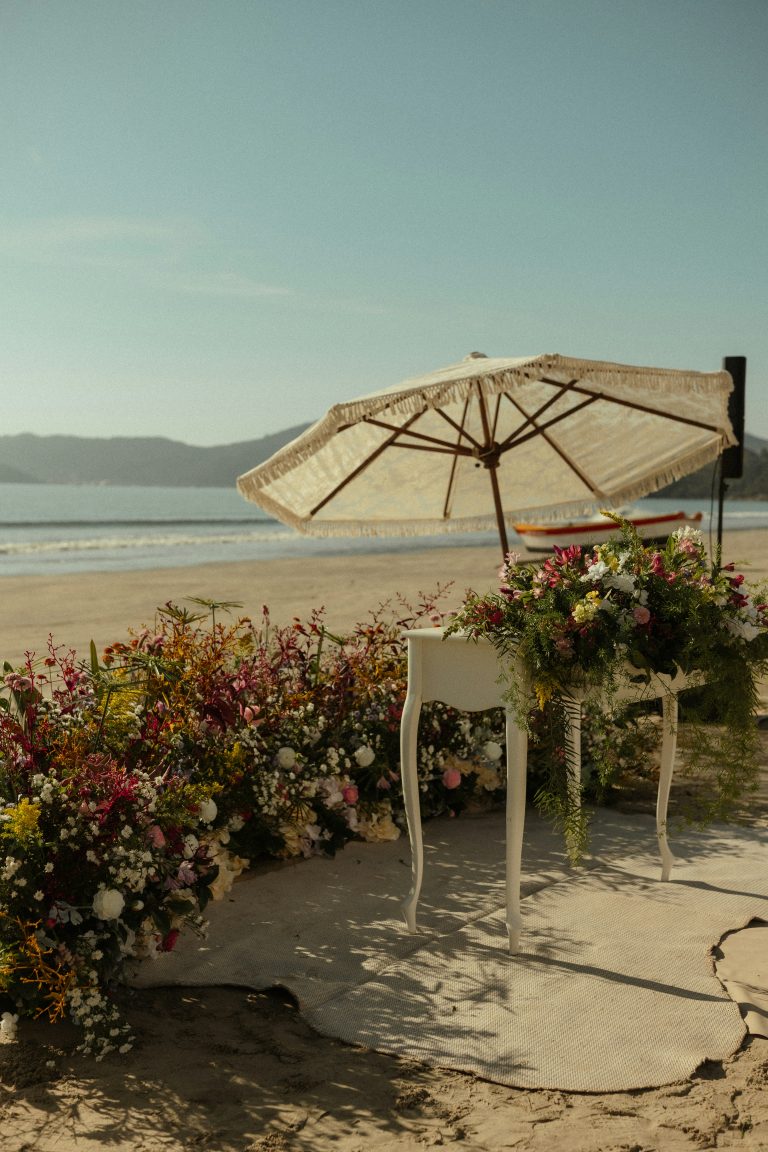
There are few settings as effortlessly romantic as the beach. The sound of crashing waves, golden light and endless ocean views create a naturally breathtaking backdrop that needs little embellishment. But while a seaside ceremony may look effortless, pulling one off successfully requires thoughtful planning.
From changing tides and coastal weather to guest comfort and eco-conscious choices, today’s beach weddings are about balancing style with practicality. Here’s how to create a celebration that’s every bit as memorable as the setting.
1.Choose your beach carefully
Not all beaches are created equal when it comes to weddings. Some offer dramatic scenery but are exposed to strong winds, while others provide calmer waters, easier access and better facilities.
Before falling in love with a location, visit it at the same time of day as your planned ceremony. You’ll get a better feel for lighting, tides, crowds, parking and wind conditions. If you’re using a public beach in South Africa, check municipal permit requirements well in advance, as many beaches require official approval for ceremonies.
2. Let nature set your timeline
Golden hour remains one of the biggest wedding trends for good reason. Scheduling your ceremony shortly before sunset offers softer light for photography, cooler temperatures and a more comfortable experience for guests.
Equally important is checking local tide charts. A ceremony planned at low tide could look very different a few hours later, so work with your planner or venue to ensure the ocean stays where it’s meant to.
3. Have a weather backup you actually love
Every outdoor wedding needs a Plan B, and the coast is no exception.
Rather than treating your backup option as an afterthought, choose an alternative space that feels just as beautiful as your original vision. Whether it’s a glass-fronted venue overlooking the sea or an elegant sailcloth tent, you’ll enjoy the day far more knowing unexpected weather won’t derail your celebration.
4. Dress for the setting
A beach wedding is the perfect excuse to embrace effortless elegance.
Lightweight fabrics such as chiffon, silk, crepe and linen move beautifully in the sea breeze while keeping everyone comfortable. Brides are increasingly opting for streamlined silhouettes, detachable overskirts and relaxed styling, while grooms are swapping heavy tuxedos for linen suits in soft neutrals.
Footwear matters too. Block heels, wedges, embellished sandals or even barefoot ceremonies are all practical alternatives to stilettos disappearing into the sand.
5. Keep your décor simple
One of the greatest advantages of a beach wedding is that nature already provides the wow factor.
Rather than competing with the scenery, lean into natural textures like linen, timber, rattan, glass and locally sourced florals. Neutral palettes inspired by sand, shells and ocean blues continue to dominate coastal weddings, creating a timeless look that complements the landscape instead of overwhelming it.
6. Prioritise guest comfort
Beautiful views won’t matter if guests are uncomfortable.
Offer chilled water before the ceremony, provide fans or parasols on hot days and consider cosy blankets if temperatures are likely to drop after sunset. If elderly guests or anyone with mobility concerns will be attending, ensure there are accessible pathways or boardwalks to the ceremony space.
Small touches like a shoe station or flip-flops for dancing can make a surprisingly big difference.
7. Think beyond traditional catering
Beach locations often come with logistical limitations, so your menu should suit the environment.
Fresh seasonal ingredients, seafood, grazing tables and lighter dishes work well outdoors, while signature cocktails, mocktails and local wines add a personalised touch at the reception. If alcohol isn’t permitted on the beach itself, host your drinks and reception at a nearby licensed venue with ocean views.
8. Protect the shoreline
Sustainability has become one of the defining themes of modern weddings, and beach celebrations offer plenty of opportunities to tread lightly.
Swap traditional confetti for biodegradable petals, rent décor instead of buying single-use items, source seasonal flowers locally and minimise unnecessary waste wherever possible. The less impact your celebration leaves behind, the more beautiful the coastline remains for future couples.
10. Invest in great sound
The ocean may provide the soundtrack, but it also creates one of the biggest challenges during a ceremony.
Waves and wind can make it surprisingly difficult for guests to hear your vows. A professional sound system with discreet lapel microphones ensures everyone shares the moment without shouting over the surf.
10. Embrace the relaxed atmosphere
The most memorable beach weddings aren’t necessarily the most elaborate.
They’re the ones that embrace the setting – barefoot first dances, sunset portraits, intimate guest lists and meaningful moments that feel authentic to the couple. Recent wedding trends continue to move away from overproduced celebrations in favour of thoughtful, experience-led weddings that prioritise connection over perfection.
The final word
A beach wedding will always come with a little unpredictability, but that’s part of its charm. With thoughtful planning, a flexible mindset and a respect for the natural surroundings, your seaside celebration can be as seamless as it is spectacular. After all, when the backdrop is the ocean, you don’t need much else to make the moment unforgettable.
ALSO SEE: Are destination weddings still worth it in 2026?
Featured image: Alexander Mass / Unsplash
Musgrave Pink Gin is crafted for life’s most meaningful moments. Infused with rose water and a blend of 12 signature botanicals, this elegant pink gin is celebrated for…
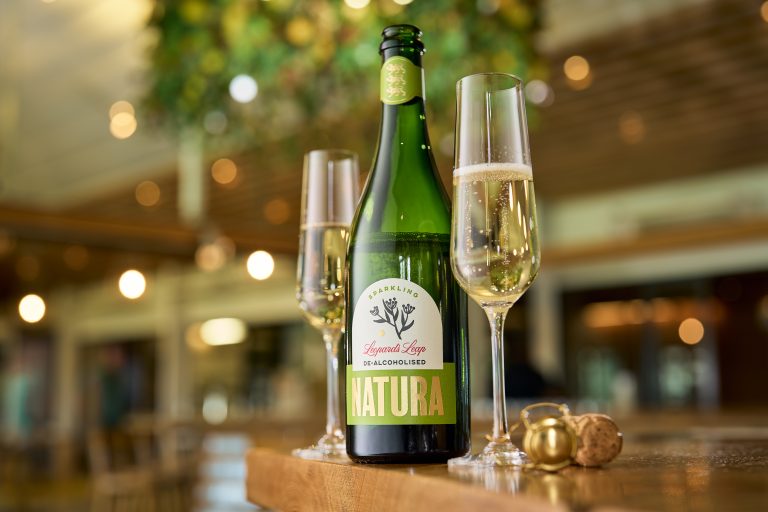
Sometimes – even though we very much want to be part of the celebration – we have to abstain from alcohol. Does this mean you can’t be part of the toast? Not anymore! The Leopard’s Leap Natura De-alcoholised Sparkling is a celebratory choice of crisp and refreshing tropical fruit flavours and an integrated palate. Made from Chenin Blanc grapes, it is a total delight on its own and an outstanding partner at the dinner table. This versatile bubble is not only bursting with flavour, but like the Natura Classic Red and White, it is health-conscious, low in calories, vegan-friendly and ideal for a responsible, everyday quality lifestyle.

This exciting trio gives wine lovers a delightful alternative for adding quality to life during those occasions or in those moments where alcohol can or should not be consumed. Versatile, health-conscious and delicious, this de-alcoholised range is made from traditional alcoholic wines from which the alcohol has been extracted to leave no more than 0.5% abv.

The Natura Classic White is a blend of Chenin Blanc and Muscat. Crisp and refreshing with tropical fruit flavours on the nose, the palate is juicy and beautifully integrated. Delightful on its own as an aperitif, it is also a lovely partner to delicate soups and all kinds of salads and seafood.

A blend of Cabernet Sauvignon and Cinsaut, the Natura Classic Red intrigues with ripe red berries and sweet spice on the nose while the palate follows through with a smooth mouthfeel and lingering aftertaste. Delightful on its own and an outstanding and versatile partner on the dinner table.